
تجارب التسوق من المتاجر الالكترونية
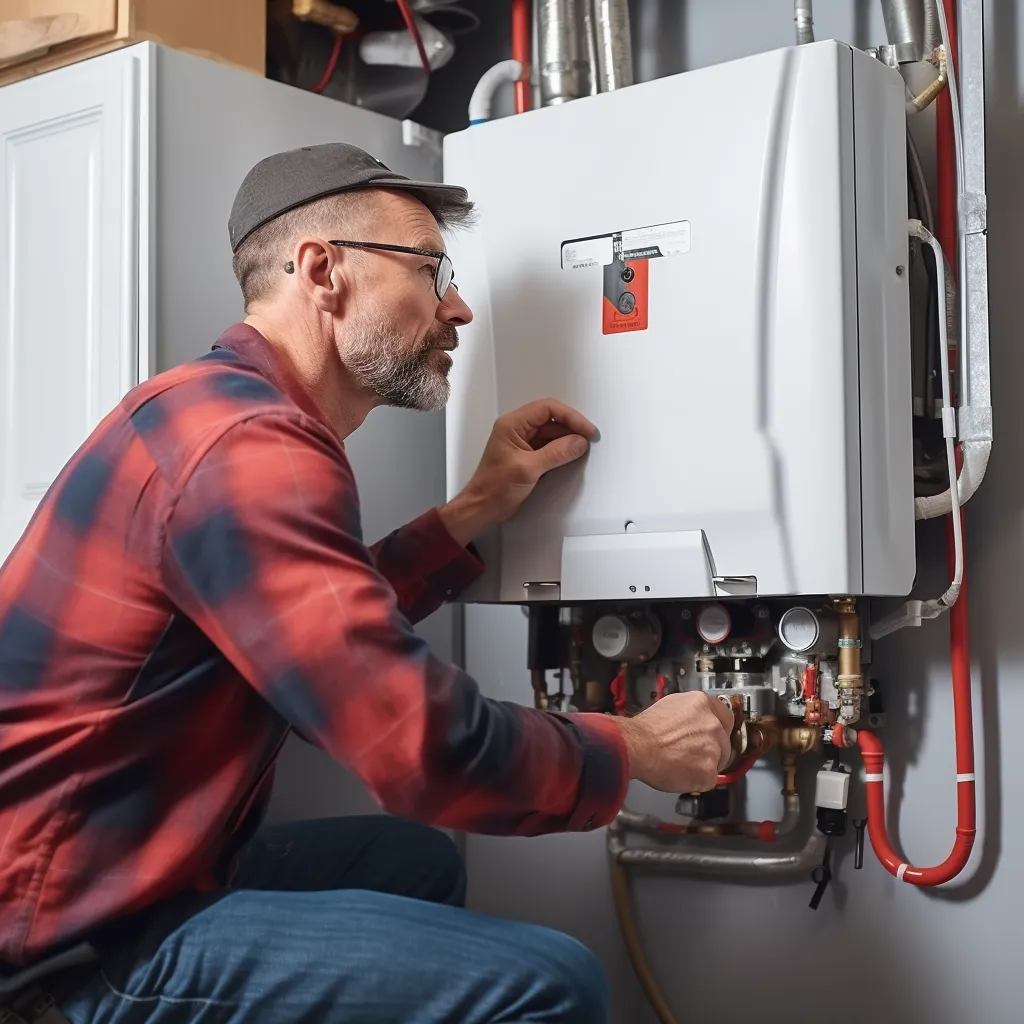
Cold snaps don’t wait for a convenient time, and heat loss hits fast. That’s why a practical plan, a tidy checklist, and clear communication make a real difference. If you’re starting that plan today, researching hvac near me can help you gauge response times, parts access, and service windows in your neighborhood. Small actions today prevent frantic calls and rushed choices later. Map out your system’s history, note strange noises, and list recent changes to airflow. Keep the model number handy, and snap photos of the thermostat and breaker panel. These small steps speed up diagnostics. With the right prep, you set the stage for faster troubleshooting, fewer return visits, and a safer outcome. Think of it as winter insurance you can control, built from simple habits and smart timing.
Start with scope, not guesses. List symptoms, timing, and recent events before you call. You can skim our quick guide furnace repair pittsburgh for a simple checklist today. This clarity trims minutes off the first visit. Define comfort goals, like stable temperatures in bedrooms, or humidity ranges that protect wood floors. Flag constraints too, such as older ductwork or a narrow utility closet. When the job is right-sized, the fix stays targeted.
Example: a split-level home that overheats upstairs while the basement stays chilly. The family logs thermostat readings every two hours for three days. That short diary reveals uneven airflow and short cycling. Now the technician can plan static pressure checks and damper tests instead of trial and error. Better scope speeds the path from question to confident repair.
Heat depends on more than a burner and a flame sensor. Filters, gaskets, and condensate traps are small, low-cost wins that restore airflow and safety margins. Our quick checklist furnace repair pittsburgh shows which items to replace seasonally. Simple parts changes can stabilize performance fast. Keep a spare MERV-rated filter sized for your return. Stock fresh batteries for the thermostat, and label the panel breaker. Minor upkeep prevents repeat service calls.
On controls, watch thermostat calibration and wire connections. A loose C-wire can mimic intermittent board failures. Before panicking, verify low-voltage health with a meter. For sealed-combustion models, check intake and exhaust terminations for frost rings or nesting debris. If cooling shares ductwork, note summer issues too, because ac repair near me often uncovers duct constraints that also throttle winter heat. When sensors read cleanly, testing gets decisive.
Great scheduling is more than a date on the calendar. Match visit length to the scope, and group tasks that share teardown steps. Use our simple pre-visit notes furnace repair pittsburgh to line up access needs. Small logistic wins prevent extra dispatch fees. Clear the path to the furnace, move cars for panel access, and crate pets. Ask for a text on the way so you can unlock gates.
In light commercial suites, coordinate after-hours if airflow testing would disrupt customers. Off-peak timing makes burn-in safer and calmer. Share any building rules for fire alarms and roof access. If you have smart vents or zone panels, sequence tests so dampers hold steady during readings. Structured steps shrink uncertainty and prevent backtracking.
Quality isn’t a sticker; it’s a sequence. Start with combustion safety, draft, and gas pressure, then verify temperature rise and static pressure. Our step-by-step outline furnace repair pittsburgh shows the typical order. A defined checklist keeps testing honest. For homes with kids or seniors, confirm carbon monoxide alarms and test their chirp. Also log flame signal strength and ignition retries for trends.
Next comes evidence. Ask for before-and-after readings in plain numbers. Example: a ranch home with cold corners shows 0.9″ WC external static. After filter and duct fixes, it lands at 0.5″, and rooms even out. Metrics support real comfort gains, not guesses. Save those values with the service date. If you ever compare quotes, matching the numbers weeds out vague promises. Evidence drives smarter choices when time is tight.
Repairs end; care continues. Plan two quick tasks monthly through winter: visual checks and filter looks. Our tiny two-step list furnace repair pittsburgh keeps it simple and repeatable. Light habits keep surprises away. In spring, book a deep cleaning and vent inspection so the off-season handles grime. That visit sets next winter up for an easy start.
For rentals and small offices, track system notes in a shared doc. Tape the filter size and change date near the return. When new staff arrive, they’ll know the basics. If airflow changes or the unit sounds different, write it down the same day. Tiny clues, saved early, prevent big bills later. Should you need urgent help, your history makes triage quick, even at busy times.
Conclusion
A calm, methodical plan beats the cold every time. You scoped the job, lined up parts, and set a clean workflow. Then you proved results with numbers and locked in better habits for the long haul. That’s how homes stay warm, bills stay reasonable, and service stays smooth.